

The honest version: a lodge is a lifestyle purchase that can work hard financially. It is not a second home, and it does not behave like bricks and mortar. Once you accept that, the numbers get a lot easier to judge.
Most weeks somebody sits in the office at Whitsand Bay Fort and asks a version of the same question. Is this a good investment? It is a fair thing to ask when you are spending six figures, and the answer people usually get from holiday parks is a glossy nod and a change of subject. We would rather set it out properly, because owners who understand exactly what they are buying tend to be the ones who are still delighted five years later.
Where the value actually sits
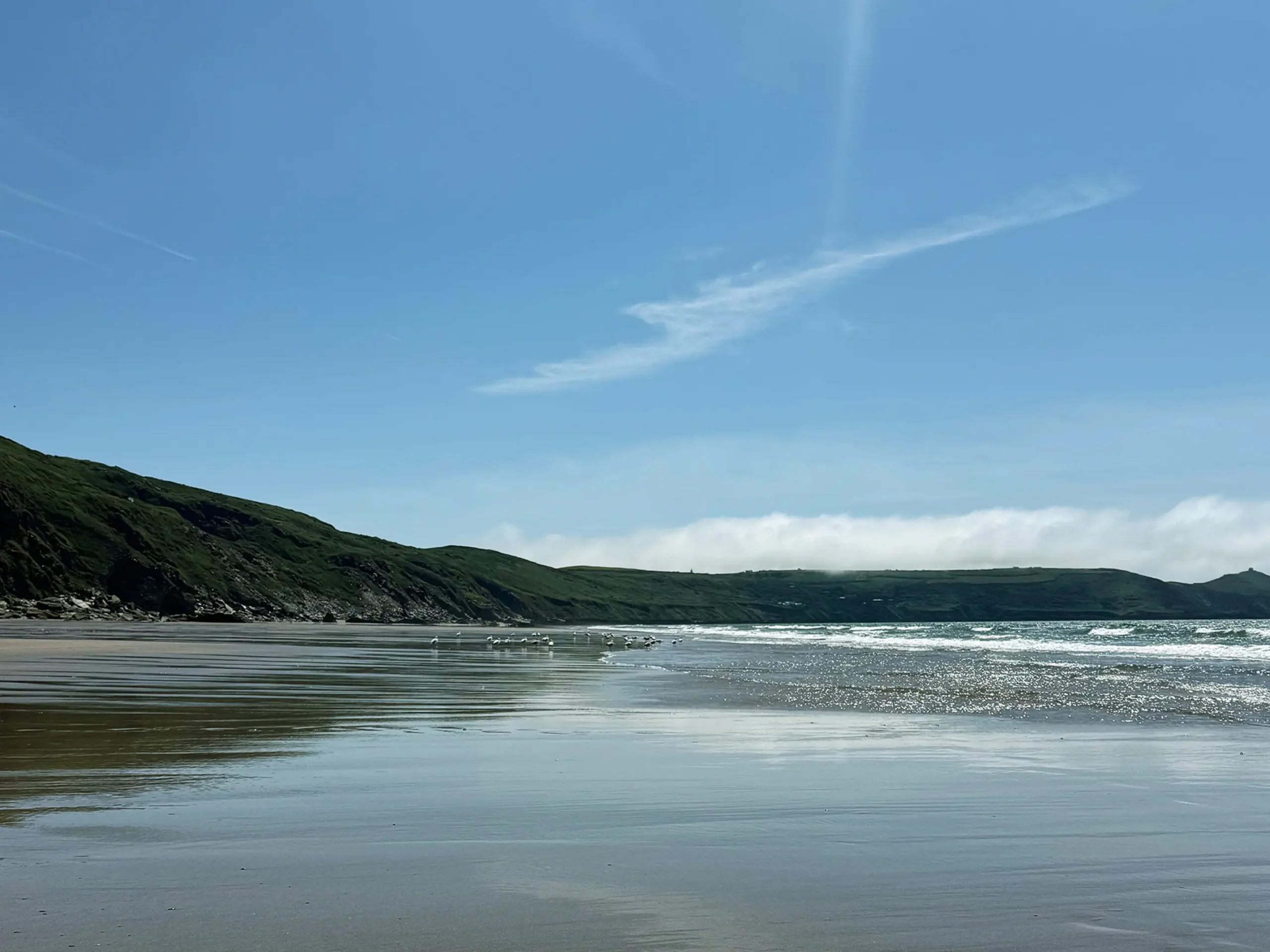
A lodge is a manufactured building. Like a good car, the unit itself depreciates from the day it is delivered. Anyone who tells you otherwise is selling you something. What holds its worth here is the position underneath it.
South East Cornwall has very little developable coastal land left, and almost none of it sits on a clifftop with an uninterrupted view over a four mile beach. Buyers on this coast are not queuing for a lodge, they are queuing for a pitch. That scarcity is why well positioned plots at the Fort tend to resell quickly and why the sea view rows go first.
The practical takeaway is simple. If capital growth is the objective, buy a house. If you want a private base on the Cornish coast for a fraction of what a coastal cottage costs here, with the option to earn from it when you are not using it, a lodge is a serious and sensible option. New build lodges at the Fort top out at £235,000, which is well below the entry point for anything with a comparable view in the same postcode.
Demand that does not stop at the school holidays

Cornwall is one of the most booked domestic destinations in the country, and the Rame Peninsula gets a particular type of guest: walkers, families and couples who want the coast path and empty beaches without the traffic of the north coast in August.
The position helps in the quieter months too. Plymouth is twenty minutes away on the Torpoint Ferry, so there is a proper city, an aquarium and a museum for the days when the weather turns. That is what keeps October half term and February weekends selling. Owners who sublet through the park hand over the bookings, changeovers and guest management and take an income share on what the lodge earns. [CONFIRM: commission rate and typical occupancy figures]
Two caveats worth putting in writing. Letting income depends on occupancy, pricing and how long the season runs, so it is never guaranteed and should be treated as an offset against running costs rather than a salary. And every week you let is a week you are not there yourself, which brings us to the part that actually decides whether people are happy.
The return most owners actually cash in

The owners who are happiest bought for the lifestyle and treated the income as a bonus. They come down for long weekends out of season, walk straight from the lodge onto the South West Coast Path, drop down to Whitsand Bay, and eat at The Fort Inn without moving the car all weekend.
Everything else is within an hour: Mount Edgcumbe, Cawsand, Looe, Polperro, Fowey and the Eden Project. We have written up the six best day trips from the park gate if you want to see how close it all is.
What it really costs to run
This is where honesty matters most, because the annual costs are the thing that catches people out. A lodge at Whitsand Bay Fort carries an annual service charge and a ground rent. The ground rent is indexed to RPI, which means it rises with inflation each year. These are not fixed costs and nobody should budget as though they are.
One more thing that needs saying plainly. The park operates under a holiday site licence, so a lodge here is for holiday use only and cannot be used as a sole or main residence. Owners keep a permanent address elsewhere. The season runs [CONFIRM: season open and close dates].
What to ask before you buy anywhere
These questions apply to any holiday park in the country, not just this one. If a park will not answer them clearly and in writing, that tells you what you need to know.
The eight questions worth asking
- How long is the pitch licence, and what happens at the end of the term?
- What has the service charge been for each of the last five years?
- How is the ground rent indexed, and when is it reviewed?
- Can I sublet, at what commission, and what occupancy did comparable lodges actually achieve last year?
- If I want to sell, am I free to sell privately, and what does the park charge?
- What are the season dates and are there any restrictions on personal use?
- Which costs are included in the price and which are extra, in writing?
- Have I taken independent legal and tax advice before signing anything?
Common questions
Can I live in a lodge at Whitsand Bay Fort full time?
No. The park holds a holiday site licence, so lodges are for holiday use only and cannot be a sole or main residence. Owners keep a permanent address elsewhere.
Will my lodge go up in value?
The unit depreciates. The position is what holds its worth, and sea view pitches on this stretch of protected coast are genuinely scarce. Judge a lodge as a lifestyle purchase that can earn, not as a replacement for property.
Can I let it out when I am not using it?
Yes, through the park, which handles bookings, changeovers and guests. Income varies with occupancy, pricing and season length, so treat it as an offset against running costs rather than a guaranteed return.
Is a lodge a regulated investment?
No. Buying a holiday lodge is not a regulated financial product and nothing on this page is financial advice. Take independent legal and tax advice before you commit, exactly as you would with any significant purchase.
Want to see the numbers for yourself? Browse our current lodges for sale, read more about lodge ownership in Cornwall, or book a no obligation park tour and we will walk you through the full cost breakdown on the day.