
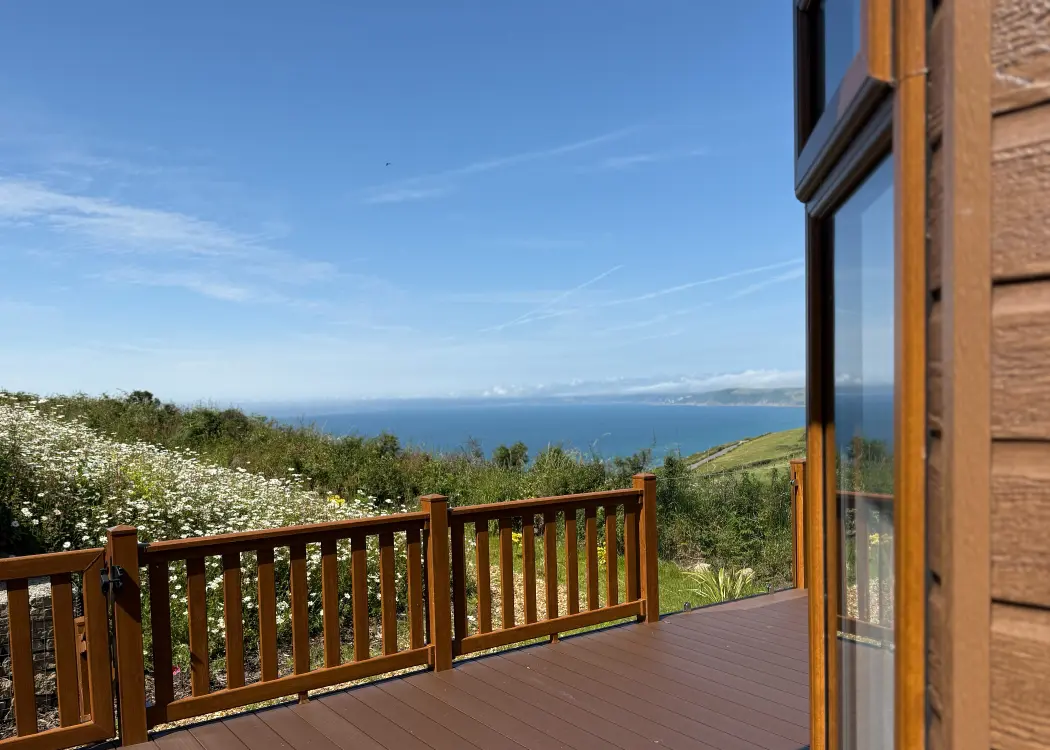
Buying a holiday lodge is a big decision made up of a lot of small, manageable ones. Taken in the right order it is a genuinely enjoyable process. Taken out of order it is where buyers end up with the wrong lodge on the wrong pitch.
None of what follows is financial advice. A lodge is a lifestyle purchase first, and the right approach is to work out what you want from it before you work out what you can spend on it.
There is no chain, no mortgage survey and no months of waiting, which is why buying a holiday lodge can move in weeks rather than months. That speed is a benefit, but it also means the thinking has to happen up front.
1 and 2: How you will use it, and what you are buying

Buying a holiday lodge starts here, not at a viewing. Before looking at a single lodge, answer three questions honestly. How many weeks a year will you realistically come down? Who comes with you, and how many beds does that need? And will you want to let it out when you are not here? Those answers shape everything that follows.
The second stage is understanding what you are actually acquiring. Lodges are sold in different ways, some on a long lease and some on a seasonal licence, and the practical difference matters. Ask what the term is, what happens at the end of it, whether the lodge can be sold on and whether it can be passed to family. At Whitsand Bay Fort the lodges are sold on a 125 year lease. Our guide to the holiday lodge lease goes through the clauses worth reading closely.
3: Get the annual costs in full

Nobody should be buying a holiday lodge without the full annual picture in front of them. Site fees, utilities, insurance, servicing and any rates all need to be on the table before you reserve, and a park that is open about this is easy to deal with later.
We have set the whole picture out in our guide to holiday lodge running costs, and the current figures for this park live on the ownership costs page. Ask how the site fee has moved over the last five years, not just what it is this year.
4 and 5: Visit the park, then choose the pitch
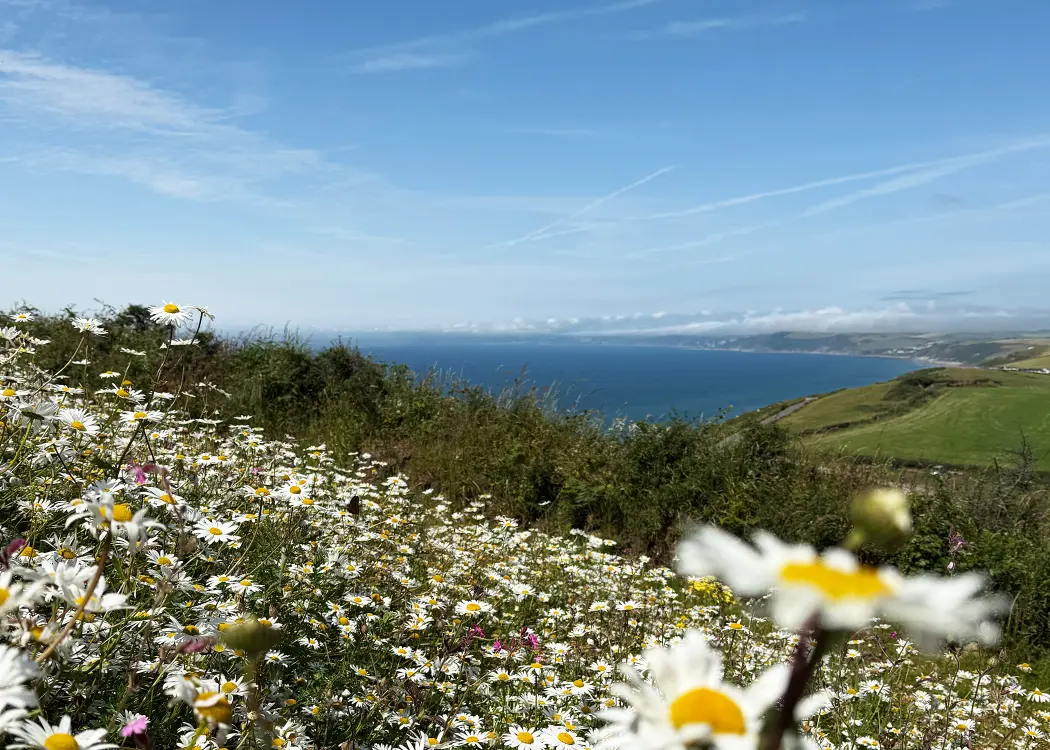
Buying a holiday lodge is as much about the park as the unit on the pitch. Photographs tell you what a lodge looks like. A visit tells you what the park feels like. Walk the roads, look at how the grounds are kept, see the facilities in use, and talk to an owner or two. If you can, come in two different seasons, because a coastal park in August and the same park in February are two different places and you want to like both.
This is the step most people get the wrong way round when buying a holiday lodge. The lodge can be replaced one day. The pitch cannot. Think about the outlook, how much sun the decking gets, how exposed it is to wind, how close you are to the facilities and how easy it is to park. A good pitch with a modest lodge beats a wonderful lodge on a poor pitch every single time.
6, 7 and 8: The lodge, the paperwork and settling in
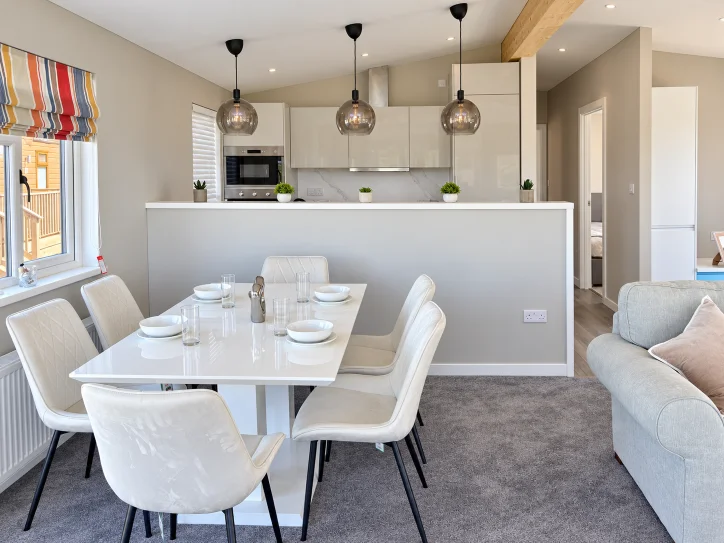
Once the pitch is right, buying a holiday lodge becomes a question of the unit itself. Check the insulation specification and whether it is built to residential standards, which makes a real difference outside summer. Look at the heating, the bedroom layout, the storage and the condition of the decking. If it is pre-owned, ask its age, service history and whether it has been let. If it is new, ask what is included, because furnishings, white goods, decking, skirting and connection are not always part of the headline figure.
The legal side is far lighter than a house purchase: a reservation deposit, paperwork covering the lease, site rules and annual fees, then completion and handover. Read the site rules properly before you sign, because they cover pets, visitors, letting, decking alterations and quiet hours. And buying a holiday lodge does not end at completion. Sort utilities and insurance straight away, decide whether you are letting, and work out your storage so you are not packing the car with bedding every trip.
The eight steps in order
- Work out how you will actually use it
- Understand the lease or licence structure
- Get every annual cost in writing
- Visit the park, ideally in two seasons
- Choose the pitch before the lodge
- Check the lodge specification properly
- Reserve, read the site rules, complete
- Set it up for the way you will use it
Find us
Whitsand Bay Fort, Donkey Lane, Whitsand Bay, Torpoint, Cornwall PL10 1JZ
Common questions
How long does buying a holiday lodge take?
Usually weeks rather than months. There is no chain and no mortgage survey, so the timeline is driven by the paperwork and the handover rather than by a conveyancing queue.
Should I choose the lodge or the pitch first?
The pitch, always. A lodge can be replaced in time but the position cannot. Outlook, shelter, sun on the decking and proximity to the facilities all matter more than the unit sitting on it.
Can I live in it full time?
No. A holiday lodge is holiday accommodation and cannot be used as a main residence. The lease or licence will say so explicitly.
Can I let it out when I am not using it?
At most parks yes, and plenty of owners here do. Treat the income as a welcome offset against annual costs rather than guaranteed, because occupancy moves with the season and the wider economy.
Ready to start? Browse the current lodges for sale, look through the park facilities, or request a brochure and read it at your own pace. If the standards and terminology are new to you, the National Caravan Council is a useful independent source on how lodges are built and certified.